

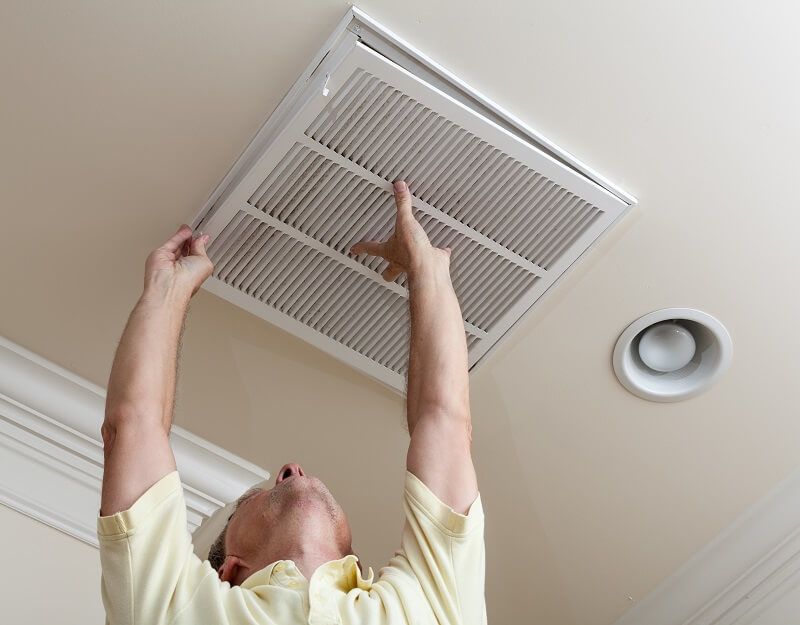
Has your ducted air conditioning vent yellowed or developed rust over time? If so, you might be interested in removing them to clean and inspect the vents. All it takes is a series of simple steps to remove floor and ceiling vents attached to openings throughout your home or business. You could also book QuickAir experts who will come in for an inspection – we’ll determine whether there’s any need for repairs, replacements, etc., depending on what needs fixing up.
This blog post will take you through the steps needed to remove ducted air con vents from the ceiling and floor varieties.
Duct Safety issues
Your air conditioning ducts are full of pathogens, bacteria, and allergens that cause indoor air pollution. Our house is a haven for invading alien bodies coming through the ducts and vents. The number of airborne allergens is likely to be higher if your home has pets or humid conditions – respiratory problems could result in people with asthma who experience these environments too often.
How to take off vents from the ceiling
You’ve probably noticed that the house has been a little warmer than usual lately. This could be because your heating vents have stuck shut and are letting heat escape from your home for free. But don’t worry, before you start going crazy with duct tape or spray paint to keep them open, we are here to help. To remove ducted heating ceiling vents, you should have several tools on hand. This includes a stepladder, screwdriver, and goggles. With these items in reach, follow this simple step-by-step guide to getting the job done safely:
- Make sure to turn off the power system so that dust will not get into your eyes
- Cover your floor with a drop cloth around the vent to prevent dirt and debris from falling
- You should place a stepladder on the drop cloth, and a screwdriver should be held while climbing it
- Position an arm over the vent, so you don’t drop the screws while you remove them
- Put the screws in your pocket so you will not lose them as you lower the detached vent
How can you clean air filters and ducted air vents at home?
You can practice the following steps to eliminate air vent anomalies.
- Screwdrivers are necessary to replace the grates with air vents. Supply vents are usually rectangular and larger, and it’s easy to identify them by their shape. Due to the supply cutlass, more dust would be visible outside, whereas standard vents may not have captured dust.
- Use a bathtub or sink to soak the vent covers completely in warm soapy water.
- If you use a vacuum with a brush attachment, extend the brush as far as possible into the airflow and collect dust, dirt, paper, and other particles as far as possible. To remove any leftover dust or mould after vacuuming, use a wet microfiber rag.
- Use a torch to look for tears or damage to the ductwork. When you observe damage within the vent, contact a professional duct cleaner/repairer at QuickAir.
Wrap-up
Lastly, let’s face it: your home is not the only thing that can be full of dust, dirt, and allergens. Your ducts are just as susceptible to these entities! That’s why we offer professional air duct cleaning services at QuickAir. Our experts will get all those nasty icky things out, so you no longer have to worry about them! Call us on 1300 730 896 to book an appointment with our experts.
Ready when you are
Book a licensed technician — same-day, every capital city.
$239 call-out inc GST · fixed price, no surprises · 4.9★ (128 Google reviews)